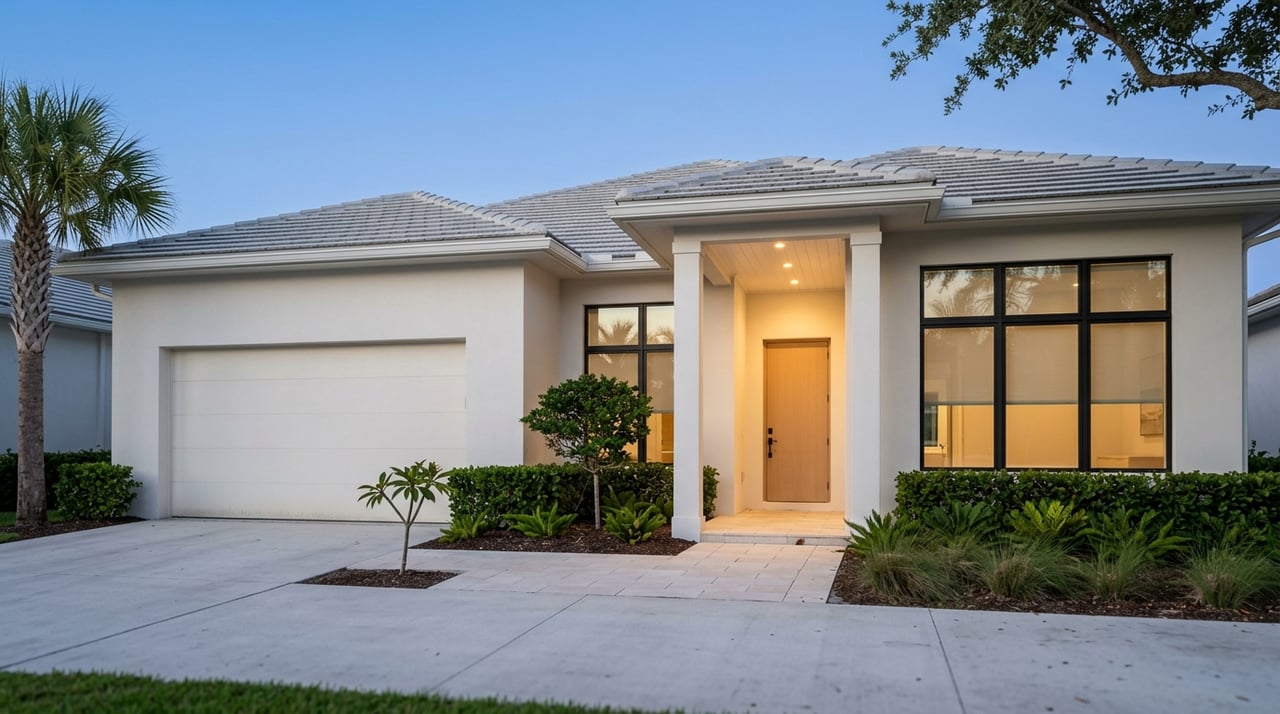
Buying a Second Home in Sarasota for Snowbird Living
June 4, 2026
June 4, 2026
Wondering if a Sarasota second home is worth it for your winter escape? For many snowbirds, the answer is yes, but the right fit depends on how you plan to live, what you want to spend, and how much hands-on ownership you want. This guide walks you through the key choices, costs, and local rules that matter when buying a second home in Sarasota, so you can make a smart, confident decision. Let’s dive in.
Sarasota gives you more than one version of Florida living. You can choose barrier-island living, a mainland planned community, or a downtown setting, depending on what matters most to you.
That variety is a big reason second-home buyers keep Sarasota on their shortlist. If you want beach access and a coastal feel, Siesta Key and Longboat Key stand out. If you want a more amenity-rich mainland base, Lakewood Ranch offers town centers, parks, trails, healthcare access, and convenient access to the airport.
Downtown Sarasota offers a different kind of convenience. It gives you a more urban setting with close access to city services, dining, and day-to-day essentials.
Siesta Key is one of Sarasota’s most recognizable barrier-island options. It includes a Village area and a free trolley that connects to downtown Sarasota, which can make getting around easier during your seasonal stays.
If your ideal winter includes quick beach days and a coastal atmosphere, Siesta Key may feel like a natural fit. It is especially appealing if you want a home base that feels vacation-oriented while still keeping Sarasota within reach.
Longboat Key is another strong beach-first choice for snowbirds. The island sits between the Gulf and Sarasota Bay, which gives it a distinctly coastal setting and a different ownership profile from many mainland communities.
When you consider Longboat Key, it helps to think beyond the view. Beach enhancement projects, public beach access, shoreline upkeep, storm exposure, and island access logistics all play into the ownership experience and long-term budget.
If you want a second home that feels organized, convenient, and amenity-rich, Lakewood Ranch deserves a close look. Official community materials highlight town centers, healthcare, parks, trails, and airport access.
For many snowbirds, that combination can reduce day-to-day friction. You may find it easier to lock and leave, schedule services, and enjoy your time in residence without some of the added coastal variables that come with barrier-island ownership.
Downtown Sarasota gives you a city-core option for seasonal living. If you value proximity to services, restaurants, and a more walkable environment, this area can offer a different rhythm than beach or planned-community living.
For some buyers, this means less dependence on a car for every errand. It can also make shorter seasonal stays feel more practical and connected.
This is one of the biggest decisions for snowbirds. The right answer depends on how much maintenance you want to handle, how often you plan to visit, and whether rental flexibility matters to you.
Condos often attract seasonal owners because association dues may help cover common expenses like maintenance, repairs, insurance, security, and certain utility or fire-safety items. That can make a condo feel more manageable when you live elsewhere for part of the year.
But monthly dues are not the full story. Under Florida condominium law, declarations and bylaws can regulate use, occupancy, and transfer, and special assessments are separate from normal annual budget assessments.
Before you buy a Sarasota condo, make sure you review more than the listing sheet. Ask for documents and details that show the true cost and the actual rules.
Key items to verify include:
Those details matter because condo documents can be stricter than local zoning. If you plan to rent the property at any point, this step is especially important.
Single-family homes usually give you more direct control over the property. That can be a major plus if you want more privacy, more outdoor space, or fewer association limits.
The tradeoff is responsibility. As a seasonal owner, you will likely need a reliable local plan for lawn care, regular inspections, and basic upkeep so the property stays in good condition while you are away.
A second home budget should go well beyond the purchase price. In Sarasota, the ongoing cost picture can be very different from what buyers expect at first glance.
Florida’s homestead exemption applies only when the property is your permanent residence. Sarasota County explains that homestead property has a 3 percent or CPI cap on annual assessed-value increases, while non-homestead property is capped at 10 percent.
That matters for snowbirds because a second home is generally not modeled like a primary residence. Sarasota County also notes that after a transfer of ownership, assessed and taxable value reset to market value for the following year, so you should not assume the seller’s tax bill will continue.
Flood risk is a major part of owning in Sarasota. Sarasota County states that the area is susceptible to coastal, riverine, and urban flooding because of its Gulf location, flat topography, and subtropical climate.
Flood insurance is separate from most homeowners insurance policies. FEMA states that most homeowners insurance does not cover flood damage, and flood insurance may be required for homes in high-risk flood areas with government-backed mortgages.
Premiums can vary based on the property’s location, flood zone, and the design and age of the structure. Sarasota County also notes that flood policies typically have a 30-day waiting period after purchase before they become effective.
When you run the numbers, include both fixed and variable expenses. A realistic Sarasota snowbird budget should account for:
If you are comparing a condo to a single-family home, this list can help you look past surface-level monthly costs. Often, the better choice comes down to how you want the responsibility structured.
Buying from out of state is common in Sarasota, but it works best when you build a management plan early. A beautiful property is only part of the equation if the home will sit vacant for weeks or months at a time.
Seasonal ownership is easier when you have trusted local support. Depending on the property type, that may mean a property manager, house-check service, lawn vendor, pool vendor, or a combination of local providers.
This is especially important for single-family homes, where the owner is directly responsible for more upkeep. Sarasota County’s code-enforcement guidance is a reminder that basic property maintenance still matters even when you are out of state.
Sarasota County Property Appraiser offers a free fraud-alert system for recorded deeds and mortgages. For a second-home owner who may not be monitoring local records closely, this is a smart step.
It is simple, practical protection for a home you do not occupy year-round. Small administrative steps like this can make remote ownership feel much more secure.
Sarasota County Emergency Management encourages year-round hurricane preparation. If your home will be vacant for part of the year, your storm plan should not wait until a forecast becomes urgent.
Before you close, think through shutters or storm-prep procedures, insurance contacts, and who will check the property if severe weather threatens. That planning is part of owning responsibly on the Gulf Coast.
Many snowbirds like the idea of renting the property when they are not using it. In Sarasota, that can work, but rental flexibility depends heavily on the exact location and the property documents.
In the City of Sarasota, short-term vacation rentals are allowed in residential zoning districts, but the minimum stay is 7 full days and 7 full nights. Qualifying properties must also register before advertising or operating.
If you are looking downtown or in city neighborhoods, this rule can shape what type of rental strategy is realistic. It is important to match your purchase to the local framework before you rely on projected rental income.
In Sarasota County, many zoning districts require leases of at least 30 days and do not allow short-term rental use. Some barrier-island RMF areas allow less-than-30-day leases, but the rules are not uniform across the county.
That is why location-specific review matters so much. A home that seems ideal for seasonal rental may have very different rules depending on which side of a jurisdiction line it sits.
Even if local zoning allows a certain rental pattern, condo and HOA documents can be stricter. Florida condominium law allows declarations and bylaws to regulate use, occupancy, and transfer.
In practical terms, that means you need both answers before you buy. First, what does the city or county allow? Second, what does the association allow?
If you plan to come and go several times a year, airport convenience matters more than many buyers expect. Sarasota Bradenton International Airport is a practical option for seasonal owners because the airport emphasizes convenience and publishes nonstop destinations and travel updates.
That can make your second home easier to use often, not just during one long winter stay. For many snowbirds, easier travel means they get more enjoyment and flexibility from the property.
The best Sarasota second-home purchase usually comes from matching your lifestyle to the right ownership model. A beachfront condo, a downtown residence, a Longboat Key property, or a Lakewood Ranch home can all make sense, but for very different reasons.
As you narrow your options, focus on the details that matter most for seasonal ownership: taxes after purchase, insurance and flood exposure, condo or HOA rules, rental restrictions, travel convenience, and a practical plan for managing the home from afar. When those pieces line up, your Sarasota home can feel less stressful and far more rewarding.
If you are exploring a second home in Sarasota, Chiaro REALTORS® offers hands-on buyer guidance across Lakewood Ranch, Sarasota, and selected coastal markets, with the local insight and high-touch support that help seasonal buyers move forward with clarity.
Stay up to date on the latest real estate trends.


Sarasota Art
photo from The Merry Widow

A Friday on Main Street, hour by hour
We pledge to provide our clients with distinguished, personalized service. We are passionate about helping our clients achieve their real estate goals, and we take pride in negotiating the most beneficial terms on their behalf.
CHIARO REALTORS®
ADDRESS
8334 MARKET ST
LAKEWOOD RANCH, FL 34202