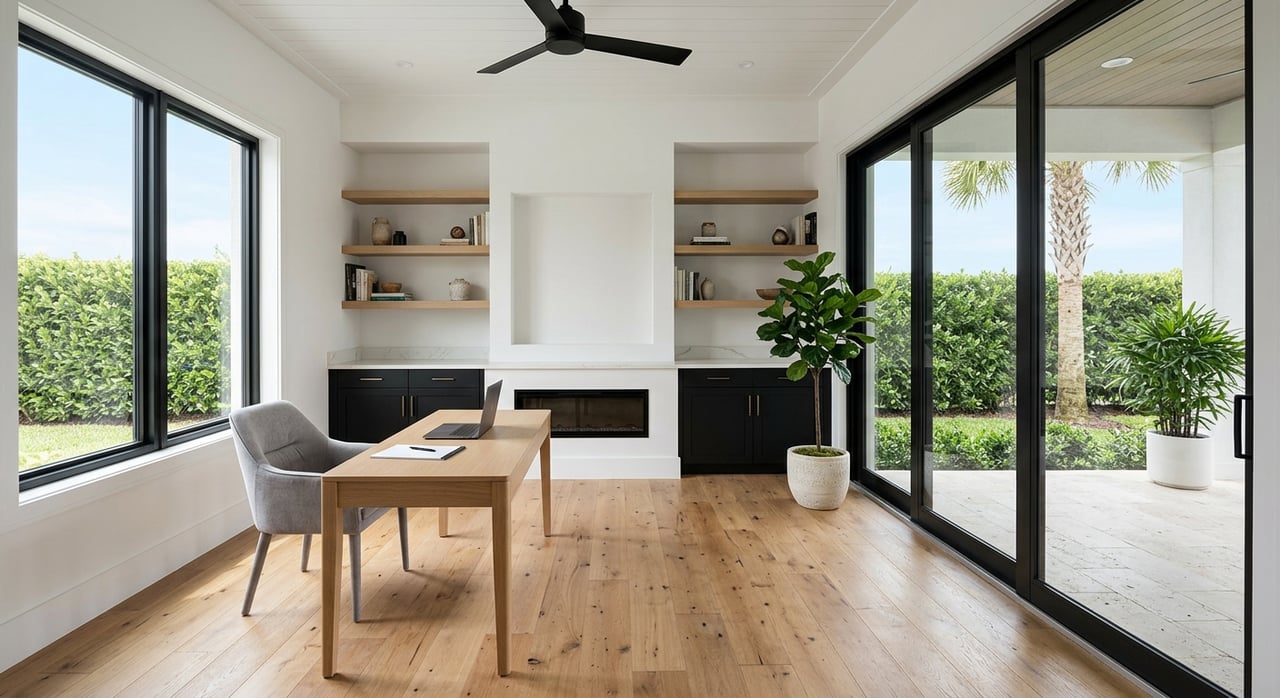
Buying a Waterside Home From Out of State With Confidence
July 16, 2026
July 16, 2026
Thinking about buying a Waterside home while living in another state? You are not alone, and you do not need to make this move by guesswork. If you understand how Waterside is laid out, which due diligence steps matter most, and how Florida remote closings work, you can make a smart decision with far fewer surprises. Let’s dive in.
Waterside is a village within Lakewood Ranch, and that detail matters more than many out-of-state buyers expect. Lakewood Ranch spans both Manatee and Sarasota counties east of I-75, and Waterside Place is the lakefront town center inside Waterside at 7500 Island Cove Terrace in Lakewood Ranch, FL 34240.
From a lifestyle standpoint, Waterside Place offers more than shops and restaurants. Lakewood Ranch describes it as a hub for shopping, dining, wellness, and year-round events, and it connects to nearby neighborhoods by trails and water taxi. If you are buying from afar, that helps you picture daily life beyond the listing photos.
Just as important, Waterside is not one single housing product. Different villages within Waterside have different home types, square-foot ranges, and HOA structures. For example, two single-family enclaves can look similar online but come with different monthly fees, amenities, and rules.
When you are buying out of state, it is easy to treat all Waterside listings as interchangeable. In reality, parcel-level details can affect taxes, flood review, HOA documents, insurance pricing, and even the closing paperwork.
That is especially important in a community that spans a large master-planned area. A home’s exact address can shape what you need to verify before you write an offer, including the village it belongs to, the fee structure, and whether there are use restrictions tied to that property.
A practical rule is simple: do not evaluate “Waterside” as one big category. Evaluate the specific village, specific lot, and specific home.
Sarasota County’s May 2026 housing data shows a market that still rewards preparation. Single-family inventory was at 4.4 months of supply, homes spent a median 50 days on market before going under contract, and the median time from listing to closing was 92 days.
That means a strong home can move before you have time for several scouting trips. If you want to compete confidently, have your financing or proof of funds ready before you start narrowing down favorites.
Cash purchases made up 42% of Sarasota County single-family closed sales in May 2026. If you are financing, being organized matters even more because sellers may compare your timeline and certainty against cash buyers.
A long-distance purchase works best when you treat it as a coordination project. The key is to line up the right people and the right information early, so you are not scrambling after an offer is accepted.
Before your first offer, try to have these items in place:
This kind of preparation helps you move quickly without feeling rushed. It also reduces the chance that you will need another flight just to answer basic questions about fees, flood exposure, or property condition.
Virtual tours can be extremely useful, but only if they go beyond a simple walk-through. When you cannot visit every listing in person, you need the showing process to fill in the gaps that photos and floor plans often miss.
Ask for both live video tours and recorded walk-throughs if possible. A live tour lets you ask questions in real time, while a recorded tour gives you something to review later when you are comparing options.
Focus your questions on the details that affect ownership, not just appearance. Useful questions include:
These questions help you compare homes more accurately. They also make your offer stronger because you are identifying potential issues before you commit.
In Waterside, HOA structure can vary from one village to another. That is why two homes with similar price points may carry different monthly costs and different ownership rules.
Before you remove contingencies, ask for the actual HOA budget, rules, amenity information, and any restrictions tied to the home. This is one of the most important steps for out-of-state buyers because HOA details are hard to judge from a listing description alone.
It is wise to look beyond the monthly fee number. You also want to know what the fee covers and whether there are property use rules that could affect how you plan to live in or maintain the home.
Insurance should be part of your early due diligence, not a last-minute task. Florida’s homeowners insurance guidance says premiums can depend on location, coverage amount, mitigation credits, construction type, age, and prior coverage.
In a place like Waterside, that means two homes in the same master-planned community may still produce different insurance costs. Wind exposure, flood considerations, and the home’s construction details can all affect pricing.
Get a homeowners insurance quote before you remove contingencies. That step gives you a clearer picture of your true monthly budget and helps you avoid surprises after you are already deep into the contract.
Inspection planning in Florida may be broader than what you are used to in another state. Depending on the home and the insurer, an older property may trigger a 4-point inspection that covers the roof, plumbing, electrical wiring, and heating and air systems.
A separate mitigation inspection may also help a policyholder qualify for windstorm premium credits. Florida guidance notes that the applicant or insured normally pays for these inspections, so make room for that in your budget.
If you are comparing several homes remotely, ask early which inspections may be needed for the property you want. That helps you budget time and cost more accurately.
Flood review is one of the most important steps for a waterside purchase, and it should happen early in the process. FEMA notes that every flood zone carries some level of risk, and high-risk zones require flood insurance when the mortgage is federally backed.
Sarasota County says buyers can check flood zones through FEMA map tools or the county Flood Zone Locator. The main point is not to wait until the contract feels fragile before asking these questions.
Early flood review helps you understand insurance needs, monthly costs, and lender requirements. It also gives you a better sense of how one property compares with another, even within the same general area.
If you are considering a condo or another multi-story building instead of a single-family home, your checklist changes. Sarasota County notes that milestone inspections apply to condominium and cooperative buildings with three or more habitable stories once the building reaches 30 years of age, and then every 10 years after that.
You do not need to master every rule before you start shopping. You do need to know that condo and townhome due diligence can differ from single-family due diligence, especially when it comes to building-level documents and inspections.
That is why property type matters just as much as price or square footage. A remote buyer should never assume the same process applies to every home style.
One of the biggest concerns for out-of-state buyers is signing everything from afar. The good news is that Florida allows remote closing paths in many situations.
Florida’s title insurance consumer guide says buyers may choose their own title agent or attorney. The same guide explains that title agents can prepare searches, issue title insurance, conduct closings, and disburse funds.
It also notes that closings may take place in any location as long as a notary is present. Florida law further allows a Florida online notary to notarize a principal even when that person or the witnesses are outside Florida, which supports fully remote signing when the lender and title company accept that workflow.
Out-of-state buyers often assume every title and closing cost is non-negotiable. In Florida, that is not always the case.
The title insurance guide explains that title insurance premiums are set by the state. It also notes that the agent’s portion of the premium and some title-agency fees may be negotiated.
That does not mean every fee will change, but it does mean you should review your estimate carefully. When you understand which charges are fixed and which may vary, you can budget more confidently.
Before closing, review the title commitment and the exceptions listed on Schedule B. This matters because liens, easements, and other title issues can affect ownership or future use of the property.
For a remote buyer, this step is especially important because you are relying on documents and professional review rather than repeated in-person visits. Clear title due diligence helps confirm that the property you think you are buying matches the rights you will actually receive.
Once closing is complete and seller liens are satisfied, Sarasota County’s Clerk of Court records the deed in the county’s Official Records. That is the local recording step that finalizes the transfer.
A smooth purchase does not end at the closing table. If you plan to make the home your Florida primary residence, Sarasota County’s homestead rules should be part of your move plan.
According to the Sarasota County Property Appraiser, you must be a Florida resident, own and occupy the home as your permanent residence on January 1, and apply by March 1 for that tax year. If you are buying a seasonal home, do not assume homestead will apply.
If you plan repairs or improvements after move-in, Sarasota County’s Building Division offers online permitting and certain virtual inspections. That can make follow-up projects easier to manage, especially if you are still splitting time between states.
Buying a Waterside home from out of state is very doable when you approach it with the right structure. If you identify the exact village early, start insurance and flood review before contingencies end, and map out your remote closing plan in advance, you can make a confident move with far less stress.
If you want hands-on guidance with a Waterside purchase, the team at Chiaro REALTORS® can help you navigate Lakewood Ranch with clear, neighborhood-level insight and a high-touch process built for relocation and second-home buyers.
Stay up to date on the latest real estate trends.


Sarasota Art
photo from The Merry Widow

A Friday on Main Street, hour by hour
We pledge to provide our clients with distinguished, personalized service. We are passionate about helping our clients achieve their real estate goals, and we take pride in negotiating the most beneficial terms on their behalf.
CHIARO REALTORS®
ADDRESS
8334 MARKET ST
LAKEWOOD RANCH, FL 34202