Sarasota Neighborhoods for Relocators: Downtown, Islands & East
January 1, 2026
January 1, 2026
Trying to figure out whether your Sarasota life belongs downtown, on the islands, or east of I‑75? You are not alone. Each area offers a distinct rhythm, housing style, and set of tradeoffs that matter when you are relocating or buying a second home. In this guide, you will get a clear picture of everyday living, common home types, HOA and condo realities, commute patterns, and insurance basics across these three Sarasota lifestyles. Let’s dive in.
Downtown is Sarasota’s cultural and civic heartbeat. You will find theaters, galleries, waterfront parks, and an active dining scene within a compact, walkable core. It suits you if you value convenience and want your car to be optional for daily errands.
Downtown is largely high‑ and mid‑rise condominiums, plus a few boutique buildings and older single‑family streets at the edges. Many newer condo towers offer amenities like pools, fitness rooms, and valet or concierge. If you want low‑maintenance living with a city feel, the condo landscape here delivers.
You will interact with condo associations on most downtown purchases. Fees typically cover common areas, a building master insurance policy, reserves, and amenities. Rental policies vary by building. Some allow seasonal or shorter leases. Others have minimum lease terms or restrict rentals entirely. Always request recent reserve studies, meeting minutes, and governing documents to understand fees, rules, and any special assessments.
Many downtown residents walk or bike to restaurants, bayfront parks, and offices. Access to US‑41 is easy, and I‑75 is a short drive via city connectors. Street parking can be limited in busy blocks, but many buildings include assigned garage spaces. Visitor parking may be tight during events and peak season.
You will have grocery options, cafes, galleries, and the waterfront nearby. Sarasota Memorial Hospital and SRQ airport are a short drive. If you want frequent arts and dining without crossing bridges, this location checks the box.
Some blocks near the bay sit at lower elevations and may fall in FEMA flood zones. Condo buildings carry master policies, but you will still want to understand what the master policy covers and where your HO‑6 and flood insurance may apply. For specific buildings, verify flood zone, elevation, and mitigation features.
If you prioritize walkability, cultural life, and a lock‑and‑leave condo lifestyle, downtown is a strong fit.
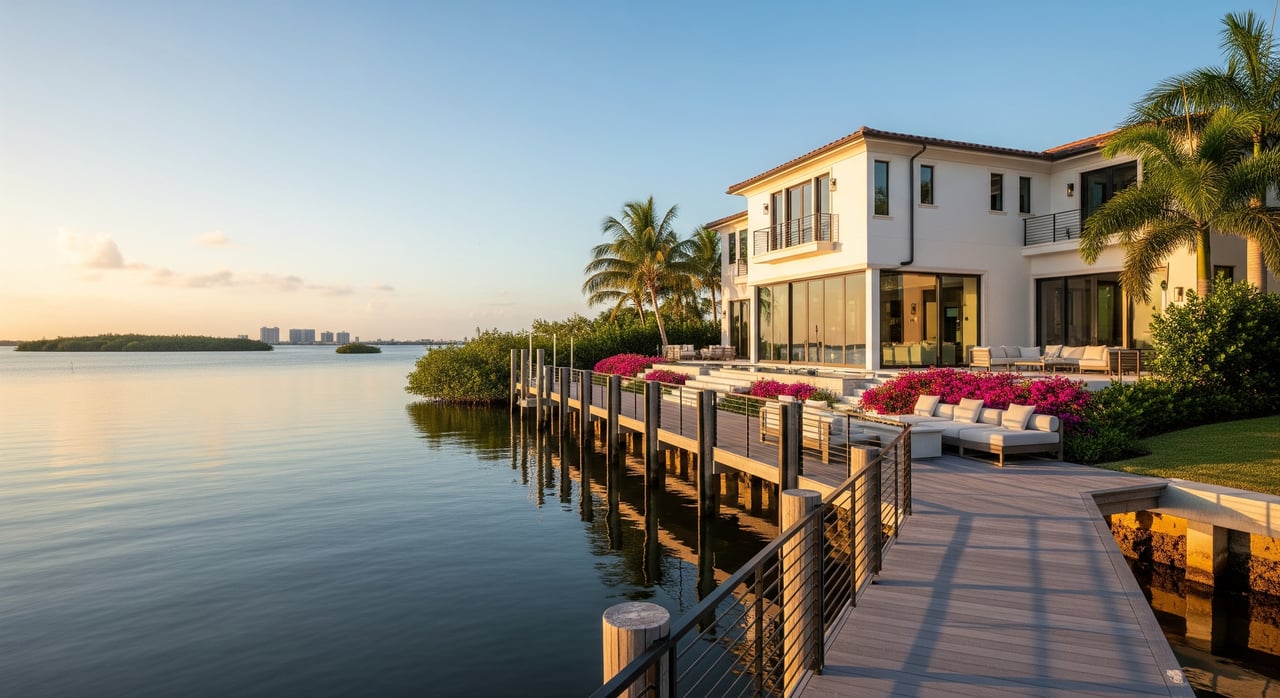
Lido Key, St. Armands, Siesta Key, and Longboat Key offer a beach‑centric lifestyle with a resort feel. Expect seasonal energy, world‑class beaches, and an outdoor rhythm centered on the water.
You will see a mix of beachfront and low‑rise condos, raised coastal homes, and select single‑family streets. Many properties function as second homes or seasonal rentals. Architectural styles and rules can vary block to block, so due diligence is essential.
Island associations often carry higher fees due to coastal maintenance, seawalls, and landscaping. Rental rules are frequently stricter and differ by jurisdiction and HOA. Before you count on rental income, verify minimum lease terms, caps on the number of rentable units, and any licensing requirements. For coastal properties, request shoreline or seawall reports and review association reserves and project histories.
The islands are bridge‑dependent. Distances to downtown and medical centers are short, yet drive times can stretch during high season and around popular nodes like St. Armands Circle. For everyday groceries or big‑box shopping, many residents pop over to the mainland.
Beach parks, marinas, and waterfront dining are part of daily life. Some islands have concentrated commercial areas, while other stretches are quiet and residential. If you want the sand and Gulf sunsets at your doorstep, the islands deliver.
Flood risk and wind exposure are higher on the coast. Many island properties sit in FEMA flood zones and require flood insurance. Premiums depend on elevation, construction, and mitigation features. Elevation certificates, roof condition, shutters, and seawall health can all affect coverage and cost.
If you want everyday beach access, boating, and a resort‑style environment, the barrier islands are ideal.
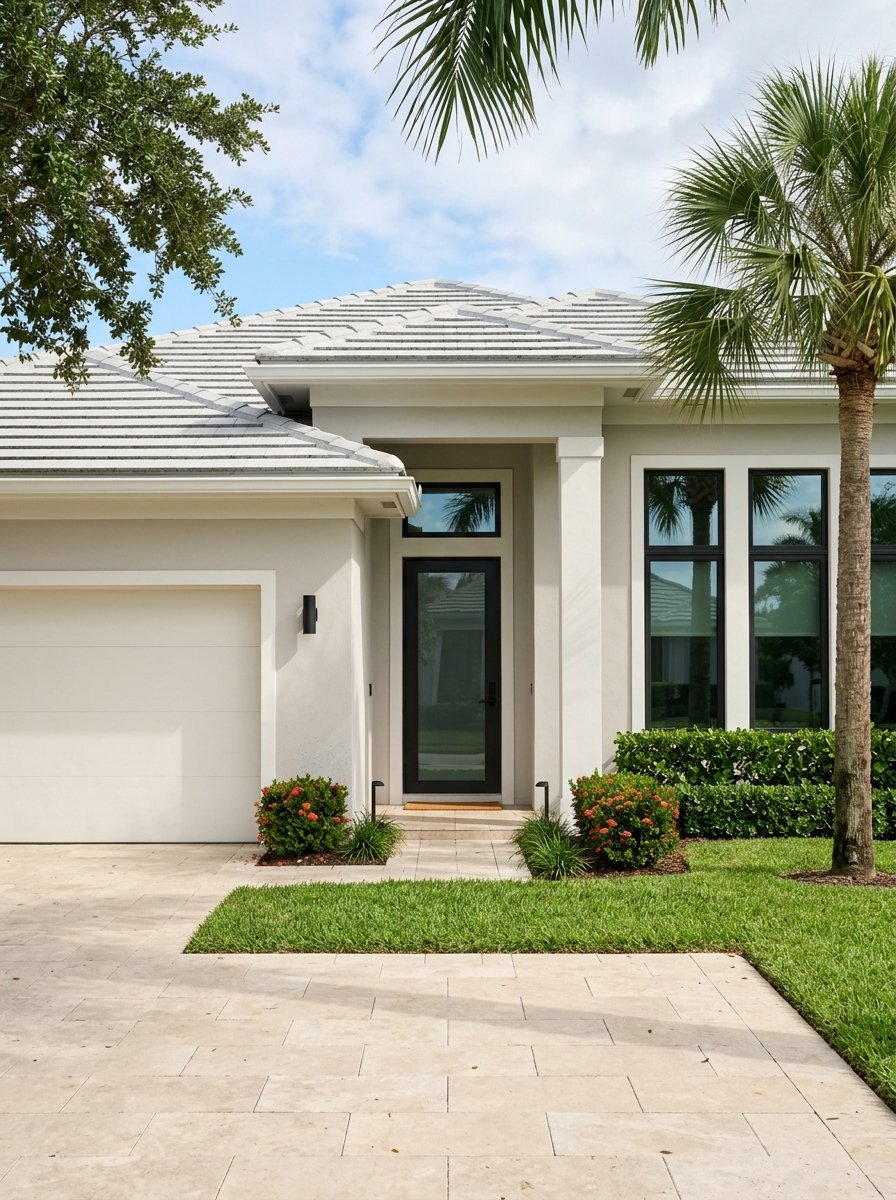
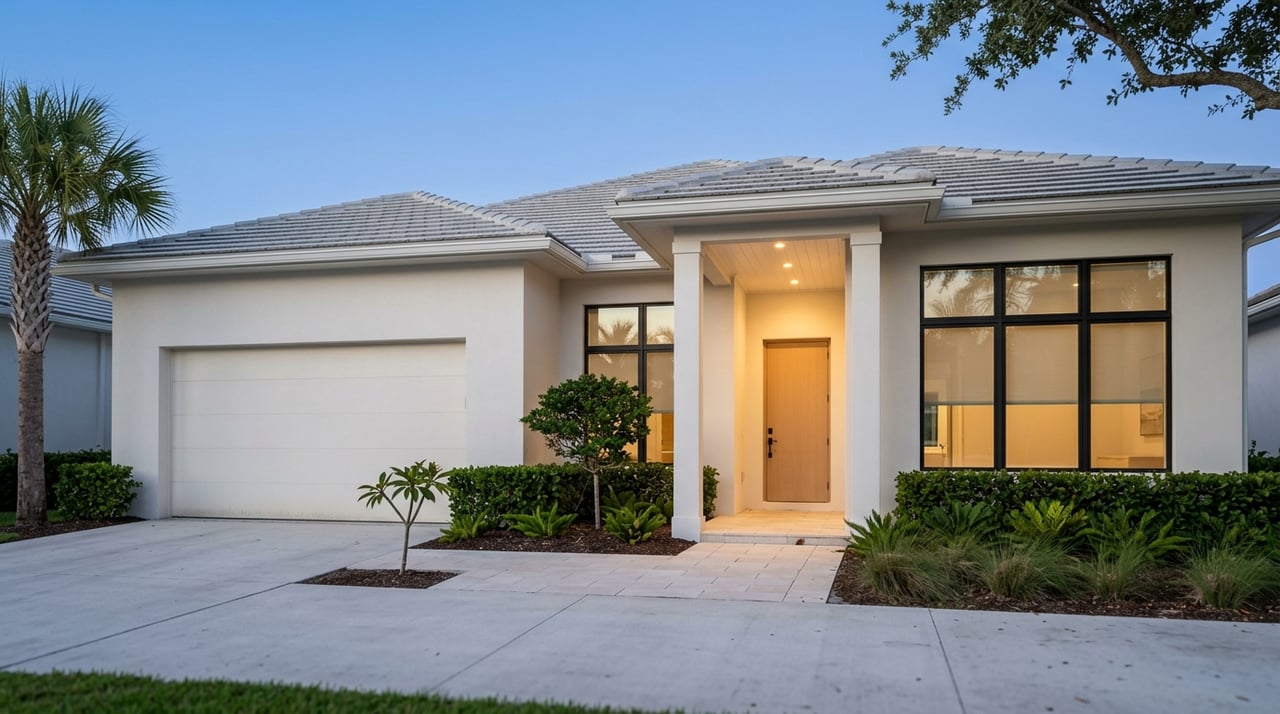
East of I‑75 you will find newer master‑planned neighborhoods, townhomes, and single‑family homes on larger lots compared with downtown or the islands. The feel is suburban with year‑round resident stability and less tourist traffic.
Most neighborhoods are HOA‑managed with community amenities such as pools, gyms, and parks. Rules and fees vary. Some communities set architectural guidelines and rental restrictions, while others are more flexible. In newer developments, the developer may still control the HOA, so review how and when residents assume control and how covenants can change.
You will likely drive to work, errands, and the beach. I‑75 is the main corridor for regional travel. Commute times depend on your exact location and time of day. Many residents value the tradeoff: more space and newer homes for a longer drive.
You will be close to grocery stores, clinics, and big‑box retail. Recreation options include larger community centers, neighborhood events, and organized activities. If school proximity and daily errands matter more than walkable nightlife, this area is practical.
Flood risk is generally lower than on the islands, but always confirm parcel‑level FEMA flood zones and local drainage. Wind coverage is still a factor regionally. Newer construction and mitigation features can help with insurance availability and cost.
If you want more indoor and outdoor space, newer homes, and strong value per square foot, consider communities east of I‑75.
Use this structure to compare apples to apples and make the most of a scouting visit.
Day 1: Downtown focus
Day 2: Barrier island circuit
Day 3: East of I‑75 communities
Before you write an offer, assemble the right documents and questions.
Florida policies vary by property type and location. Expect separate considerations for flood and wind coverage.
Start with lifestyle first. If you want to walk to dinner and shows, look downtown. If the beach is your daily ritual, prioritize the islands. If space, newer homes, and value matter most, focus east of I‑75. Then layer in commute tolerance, HOA rules, and insurance comfort level. A clear checklist will speed your decision and help you zero in on the right tour.
Ready to compare specific homes and communities side by side? Our boutique team pairs neighborhood‑level guidance with polished, data‑informed service. We help you request the right HOA documents, review flood and insurance basics, and structure offers on both primary and second homes. Bilingual support available in English and Spanish. Connect with Chiaro REALTORS® to plan your Sarasota tour and get access to private listings.
Stay up to date on the latest real estate trends.



We pledge to provide our clients with distinguished, personalized service. We are passionate about helping our clients achieve their real estate goals, and we take pride in negotiating the most beneficial terms on their behalf.
CHIARO REALTORS®
ADDRESS
8334 MARKET ST
LAKEWOOD RANCH, FL 34202